We look after your body so you can move freely again.
FISIOTERAPIA
It is the medical specialism dedicated to the prevention, assessment and treatment of injuries and movement disorders. Through manual techniques, therapeutic exercise and physical therapies, it helps to relieve pain, restore function and improve people’s quality of life.
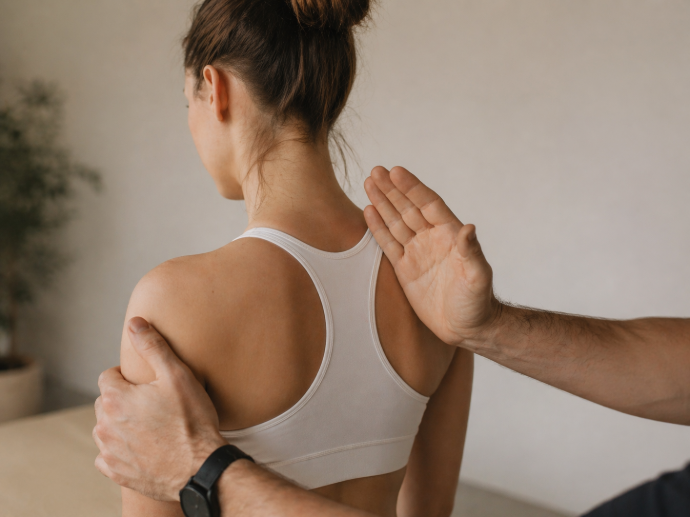
What issues deal with?
A physiotherapist specialising in this area can help you with:
- Musculoskeletal pain: Relief from pain in muscles, joints and tendons caused by overexertion, injury or poor posture
- Sports injuries: Functional recovery following sprains, strains, fractures or any other sports-related injury.
- Temporomandibular joint (TMJ) disorders: Treatment of jaw pain, clicking, bruxism and limited mouth opening.
- Neck and upper back pain: Treatment of tension, muscle spasms and postural problems affecting the neck and upper back.
- Lower back pain and sciatica: Relief from lower back pain, radiating to the legs or buttocks, through manual techniques and therapeutic exercises
- Post-surgical recovery: Rehabilitation following orthopaedic or dental surgery, to restore mobility, strength and function.
- Postural problems: Correction of poor posture that causes pain, muscle tension or joint strain.
- Neuromuscular disorders: Improving mobility, coordination and strength in patients with neurological or degenerative conditions.
What techniques does a physiotherapist use?
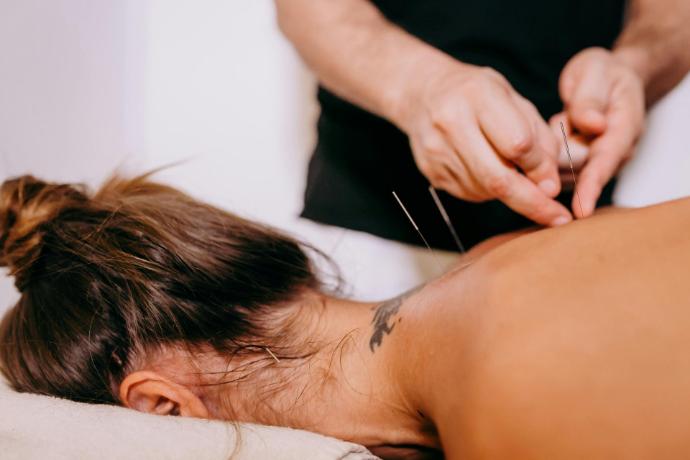
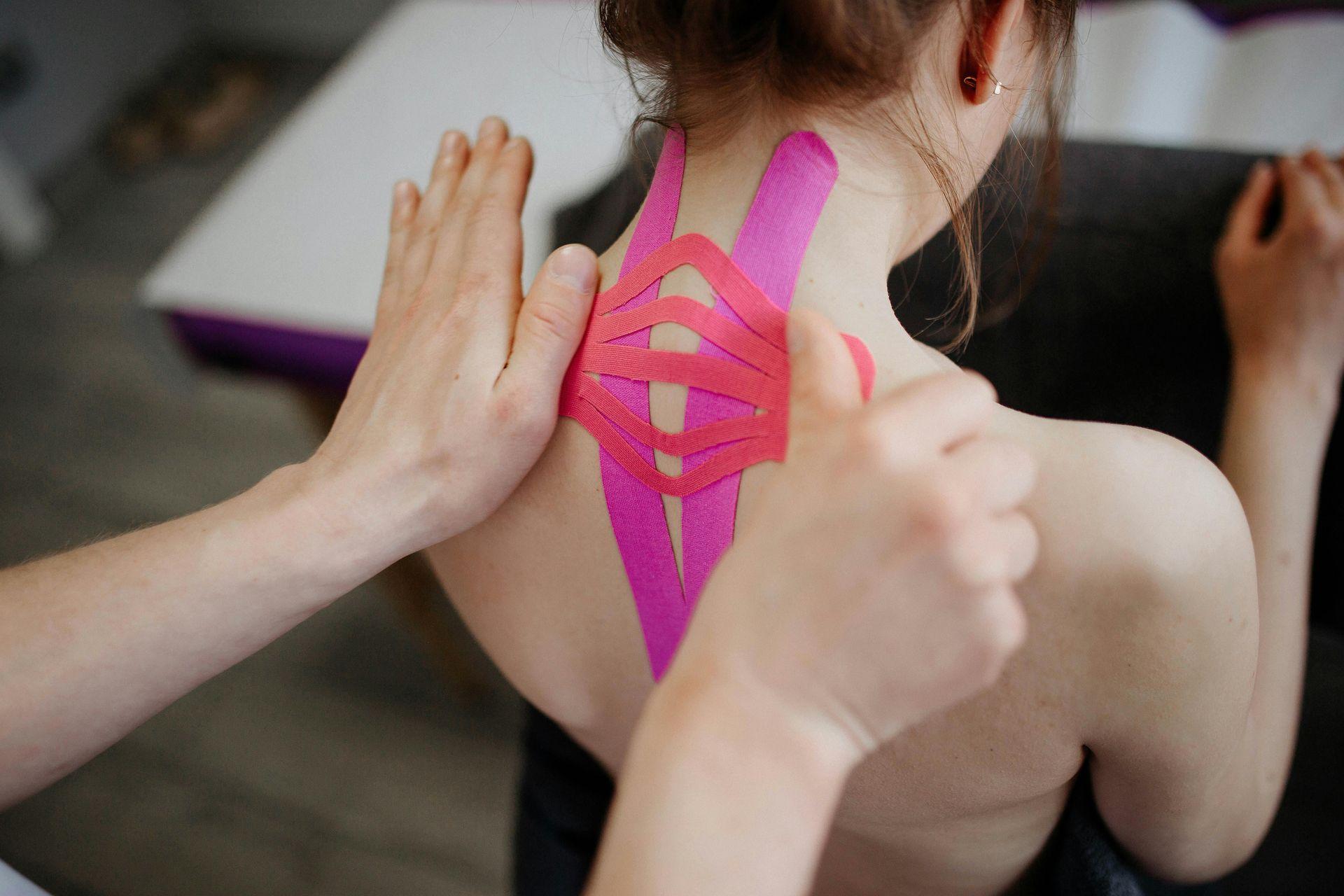
- Manual therapy: A set of techniques performed by a physiotherapist using their hands to relieve pain, improve joint mobility and restore normal muscle function.
- Therapeutic Exercises: Exercises tailored to each patient to help them regain strength, mobility, control and functionality.
- Postural Education and Advice: Personalised guidance to address poor posture, ergonomics and self-care.
- Dry needling: A highly effective technique for releasing ‘trigger points’ (tension knots) in the muscles, which are a common cause of referred pain.

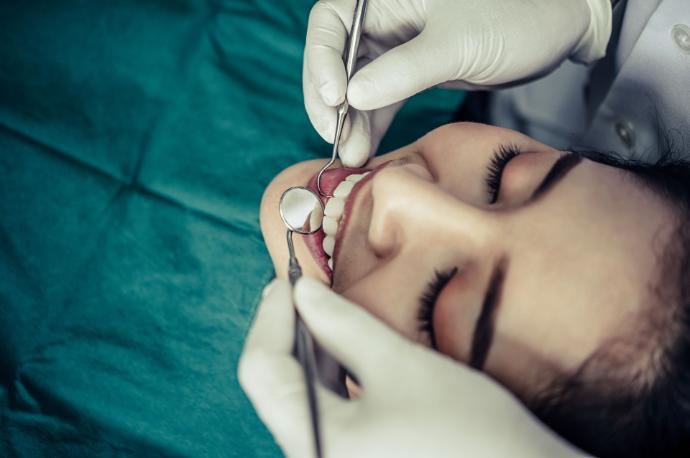
It is crucial to understand that TMJ physiotherapy does not replace the dentist, but works in partnership with them. It is a multidisciplinary approach:
- The dentist is responsible for making the primary diagnosis, checking the bite and, if necessary, recommending the use of a bite splint (a custom-made rigid resin device worn at night to protect the teeth and relax the muscles).
- The specialist physiotherapist is responsible for treating muscle and joint issues, re-educating movement patterns and relieving pain.
TMJ Services
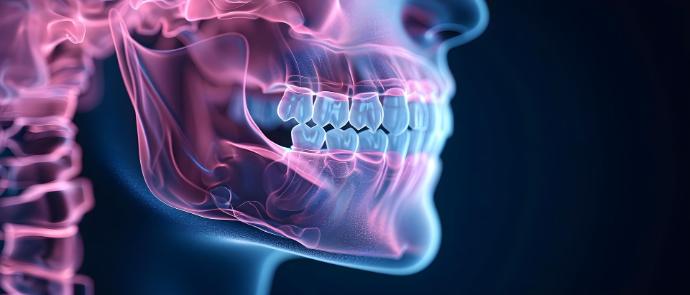
Cranio-mandibular Dysfunction (TMJ) Unit
- The Temporomandibular Joint (TMJ) connects the jaw to the skull and plays a key role in speaking and chewing. When the joint is not functioning properly, it can cause pain and discomfort, affecting your daily life and overall quality of life..
- Our specialised TMJ physiotherapy service focuses on restoring normal jaw function and relieving orofacial pain. We work closely with our dental team to provide a comprehensive approach, addressing not only the teeth but also the muscles and joints involved..
What topics do we cover in this unit?
- TMJ dysfunction and orofacial pain: Clicking or locking of the jaw joint and pain.
- Bruxism: Grinding or clenching of the teeth (usually at night).
- Limited mouth opening: When you are unable to open your mouth properly.
- Muscular Headaches and Migraines: Many tension headaches are directly linked to tension in the jaw and neck muscles.
- After-effects of trauma or surgery: Such as following a complicated wisdom tooth extraction, orthognathic surgery or whiplash that has affected the jaw.
PHYSIOTHERAPY TEAM
Our physiotherapy service is led by a highly qualified and experienced professional, committed to providing personalised and effective treatments tailored to each patient’s individual needs, with the aim of improving their wellbeing and quality of life.
PHYSIOTHERAPIST
- TMJ Treatment Specialist.
- Dry Needling Specialist.
Book your appointment
Look after your dental health with the best professionals. Contact us and book your appointment.
WhatsApp